Community care isn’t just a hashtag you scroll past—it’s the lifeline holding urban neighborhoods together. You’ve heard the buzz, but what if you had a clear playbook to turn those words into real action? Brooklyn Savvy’s latest episodes and grassroots resources, led by women like Toni Williams, show how collective care fuels mental health support, resource sharing, and civic engagement every day. Stick around to see how you can move from talk to impact in your own community. Learn more.
Community Care in Action
Real-Life Strategies for Support
Community care thrives on practical strategies that make a real difference. The key is starting with small, everyday actions that build a larger impact over time. Imagine the power of checking in on a neighbor or sharing a meal with someone in need. These small gestures can create a ripple effect in your community. It’s not just about grand gestures but about consistent, meaningful actions that support those around you.
By focusing on mutual aid, you’re not only helping others but also enriching your own life. Think about it: every time you contribute, you strengthen the bonds of your community. You become part of a support network that can address challenges and celebrate successes together. This is how real change begins, with each of us taking a step toward a more caring and supportive environment.
Women-Led Initiatives to Watch
Women play a pivotal role in driving community care initiatives. Across the country, women are leading efforts that prioritize mental health, resource sharing, and civic engagement. Their leadership is not just inspiring; it’s essential. These initiatives often start with one woman’s vision and grow into movements that transform communities.
For example, consider the work of organizations driven by women that focus on providing mental health resources or facilitating educational workshops. These initiatives often target the heart of community challenges, offering practical solutions and support. By following and supporting these women-led efforts, you’re not only standing by a cause but also encouraging sustainable community growth.
Brooklyn Savvy Episode Highlights
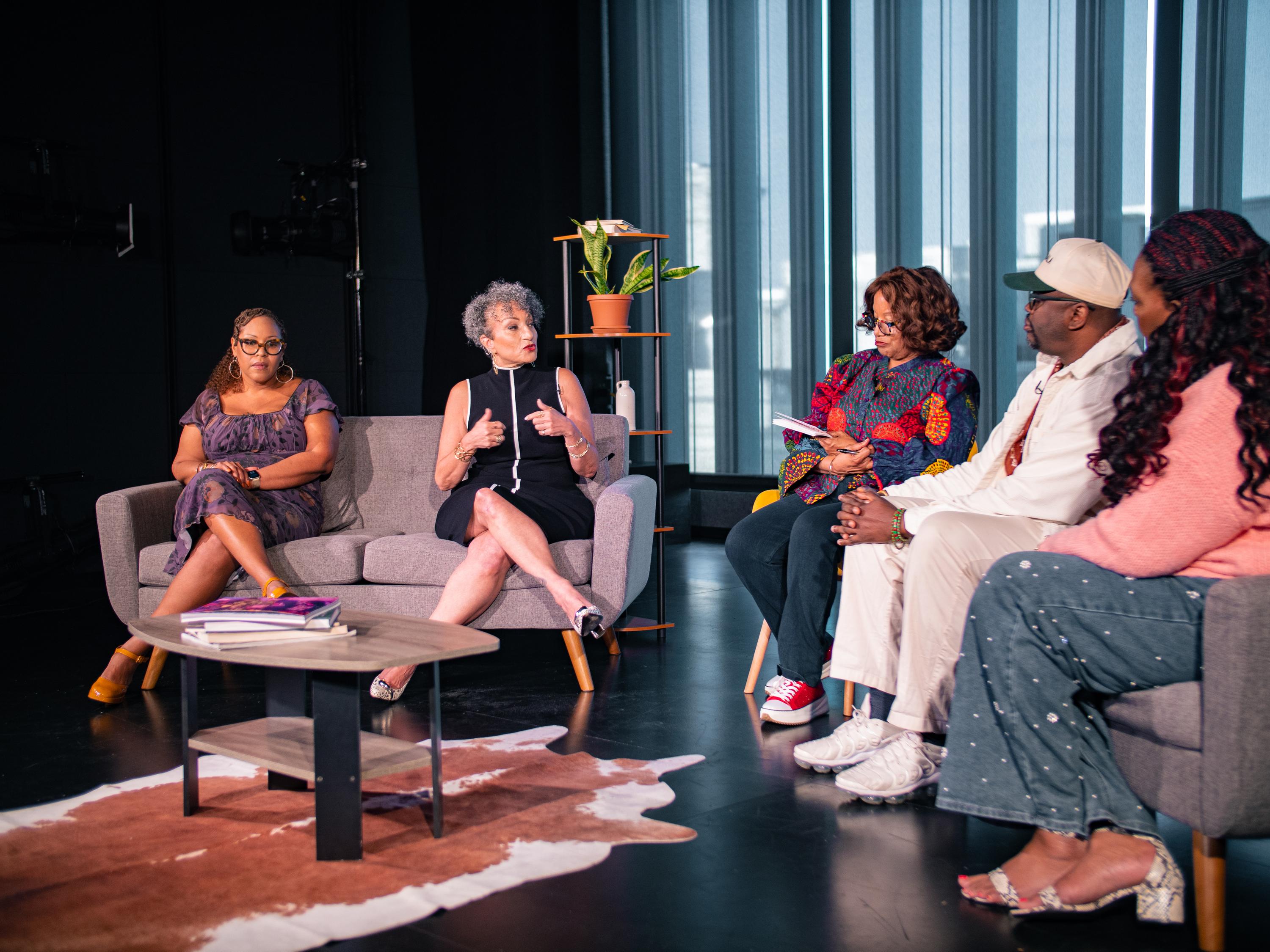
Brooklyn Savvy shines a spotlight on the importance of community care through its engaging episodes. Each episode unpacks social issues with the help of diverse and knowledgeable panelists. Hosted by Toni Williams, the show delves into topics that matter to urban communities, bringing forth actionable insights and inspiring change.
In recent episodes, discussions have ranged from mental health strategies to resource sharing, all through a lens of collective care. The show’s ability to connect viewers with practical solutions and real-life examples makes it a powerful resource. By engaging with these episodes, you gain not only knowledge but also a sense of empowerment to take action in your own community.
Building a Culture of Care

Everyday Acts of Mutual Aid
Building a culture of care begins with mutual aid. This concept involves communities coming together to address shared needs without relying solely on external institutions. Picture a neighborhood where people actively support each other, sharing resources and providing a helping hand when needed. This is the essence of mutual aid.
Participating in mutual aid can be as simple as organizing a food drive or offering to babysit for a neighbor. These acts create a strong foundation for a caring community. When everyone contributes, the community becomes more resilient and capable of facing challenges. Mutual aid fosters a sense of belonging and strengthens the ties that bind us together.
Resource Sharing and Allyship
Resource sharing is a powerful tool in community care. It involves pooling resources—whether they be knowledge, skills, or materials—to benefit everyone. This approach not only helps those in need but also builds a supportive network that can address larger community issues.
Allyship plays a crucial role here. It’s about standing with others and advocating for their needs. By being an ally, you help create a more inclusive environment where everyone feels valued and supported. Together, resource sharing and allyship create a community that is both strong and compassionate, ready to tackle any challenges that come its way.
Engaging with Diverse Panelists
Engaging with diverse panelists brings a wealth of perspectives to community care. Brooklyn Savvy’s episodes, for instance, feature experts from various fields, offering insights that are both practical and inspiring. This diversity ensures that all voices are heard, and multiple viewpoints are considered when addressing community issues.
When you listen to and learn from a range of voices, you become better equipped to understand and address the complexities of social issues. This engagement enriches your perspective and motivates you to contribute to your community in meaningful ways. Diversity in dialogue leads to more comprehensive solutions and a deeper sense of community unity.
From Dialogue to Action

Scaling Grassroots Organizing
Grassroots organizing is about mobilizing at the local level to create significant change. It starts with conversations and ideas, but the real impact comes when these ideas are put into action. Scaling grassroots efforts involves expanding these initiatives to reach more people and address broader issues.
To scale effectively, it’s important to build a strong foundation based on shared values and goals. This involves engaging community members, building networks, and fostering partnerships. By focusing on these elements, grassroots organizing can grow beyond local confines and inspire wider change.
Merging Civic Engagement with Equity
Civic engagement is most powerful when combined with a focus on equity. It’s about not only participating in civic activities but also ensuring everyone has an equal opportunity to contribute and benefit. This merger ensures that all voices are heard and valued, leading to more just and inclusive outcomes.
To achieve this, it’s essential to advocate for policies that promote equity and to actively involve marginalized communities in decision-making processes. By doing so, civic engagement becomes a tool for achieving greater social justice and creating communities that are fair and inclusive for all.
Exploring Mission-Driven Merchandise
Mission-driven merchandise extends the impact of community care initiatives. These products not only support a cause financially but also serve as conversation starters and symbols of solidarity. When you purchase mission-driven merchandise, you’re making a statement about your values and supporting initiatives that align with those beliefs.
Consider the potential of merchandise that reflects your community’s goals and aspirations. It could be apparel that raises awareness about mental health or accessories that promote resource sharing. By choosing mission-driven products, you contribute to the sustainability of community care efforts and spread the message of collective action.
Frequently Asked Questions
What are some examples of everyday mutual aid?
Everyday mutual aid can include simple acts like sharing meals, offering transportation to those without a vehicle, or organizing neighborhood clean-ups. These actions help build a supportive community network.
How can I support women-led initiatives in my community?
Support women-led initiatives by participating in their events, spreading the word about their work, and volunteering your time or resources. Financial contributions or purchases of mission-driven merchandise also provide valuable support.
What role do diverse panelists play in community discussions?
Diverse panelists bring multiple perspectives to discussions, enriching the dialogue and ensuring that various viewpoints are considered. This diversity leads to more comprehensive solutions and a deeper understanding of community issues.
How can grassroots organizing be scaled effectively?
To scale grassroots efforts, build a strong foundation of shared values, engage community members, create networks, and foster partnerships. This approach allows initiatives to grow and reach a broader audience.
What is the significance of merging civic engagement with equity?
Merging civic engagement with equity ensures that all voices are heard and valued, leading to fair and inclusive outcomes. It involves advocating for equitable policies and involving marginalized communities in decision-making processes.


Leave a Reply