Forget everything you thought you knew about social justice conversations. When women’s voices take center stage, the whole narrative shifts—changing how policies form, culture moves, and communities rally together. Women-centered social justice talks don’t just add perspective; they reshape public dialogue in ways that urban communities and activists can’t ignore. Ready to see how Brooklyn Savvy and Toni Williams are leading this charge? Let’s get into why this matters now more than ever.
Centering Women Changes the Narrative
Social justice conversations take on a new life when women are at the forefront. The change isn’t just in tone; it’s in substance, depth, and direction.
Reframing Through Women’s Voices
When women speak up, especially in media, they bring unique insights that often go unheard. These voices aren’t just filling a gap; they’re creating a whole new dialogue. Women bring lived experiences and perspectives that challenge existing norms. This isn’t about adding a footnote to the conversation; it’s about rewriting the book. By framing issues through their lens, women help us all see the full picture. Suddenly, topics like voting rights and community safety take on a new dimension. They’re not just policy issues anymore; they’re personal stories that affect everyday lives.
Impact on Policy and Culture
The ripple effect of women-led dialogues reaches far beyond initial conversations. When discussions are led by women, policies begin to reflect the true diversity of experiences. This shift doesn’t just change laws; it transforms communities and cultural norms. For example, when women discuss workplace equality, they bring real stories of challenges and triumphs. This personal insight can drive policy changes that make workplaces more inclusive. The changes might start small but grow into significant cultural shifts over time.
Mobilizing Urban Communities
Urban communities thrive when women lead the charge. Women-centered conversations often focus on actionable solutions that resonate with local needs. These discussions aren’t abstract; they’re rooted in reality and aim to create tangible change. By bringing attention to community-specific issues, women mobilize action from the ground up. This grassroots approach ensures that changes are not just talked about but also implemented in ways that benefit everyone. As Brooklyn Savvy demonstrates, engaging urban voices leads to real-world solutions.
Intersectionality Widens the Lens

When we add layers of identity to the conversation, the narrative takes on even greater significance.
Diverse Leaders in Feminist Media
Feminist media isn’t just about highlighting women’s issues; it’s about showcasing diverse voices. Leaders in this space bring a wealth of perspectives that enrich the dialogue. They don’t stop at gender; they explore race, class, and other identities too. This intersectional approach creates a more inclusive and comprehensive understanding of issues. It challenges the audience to see beyond their immediate experience. By focusing on intersectionality, media can address broader social dynamics and offer more holistic solutions.
Black and Brown Women Leading Change
Black and Brown women are often at the forefront of change, offering perspectives that are crucial but frequently sidelined. They bring attention to issues that might otherwise be ignored, like systemic racism and economic inequality. Their lived experiences provide invaluable insights into these challenges and offer unique strategies for overcoming them. By leading these conversations, they not only highlight existing problems but also propose solutions that work for their communities. This leadership is essential for meaningful progress in social justice.
Empowering Educators and Activists
Educators and activists are invaluable in spreading awareness and encouraging action. When they champion women-centered conversations, their influence multiplies. They educate others about the importance of diverse voices, fostering a culture of inclusion and empowerment. This approach creates ripple effects, inspiring new generations to advocate for change. Their role is not just to teach but to motivate and mobilize. This empowerment is fundamental for creating a society that values equity and justice.
Media’s Role in Shifting Dialogue

Media plays a pivotal role in shaping public discourse, and its influence is magnified when women lead the conversations.
Talk Show on Social Justice
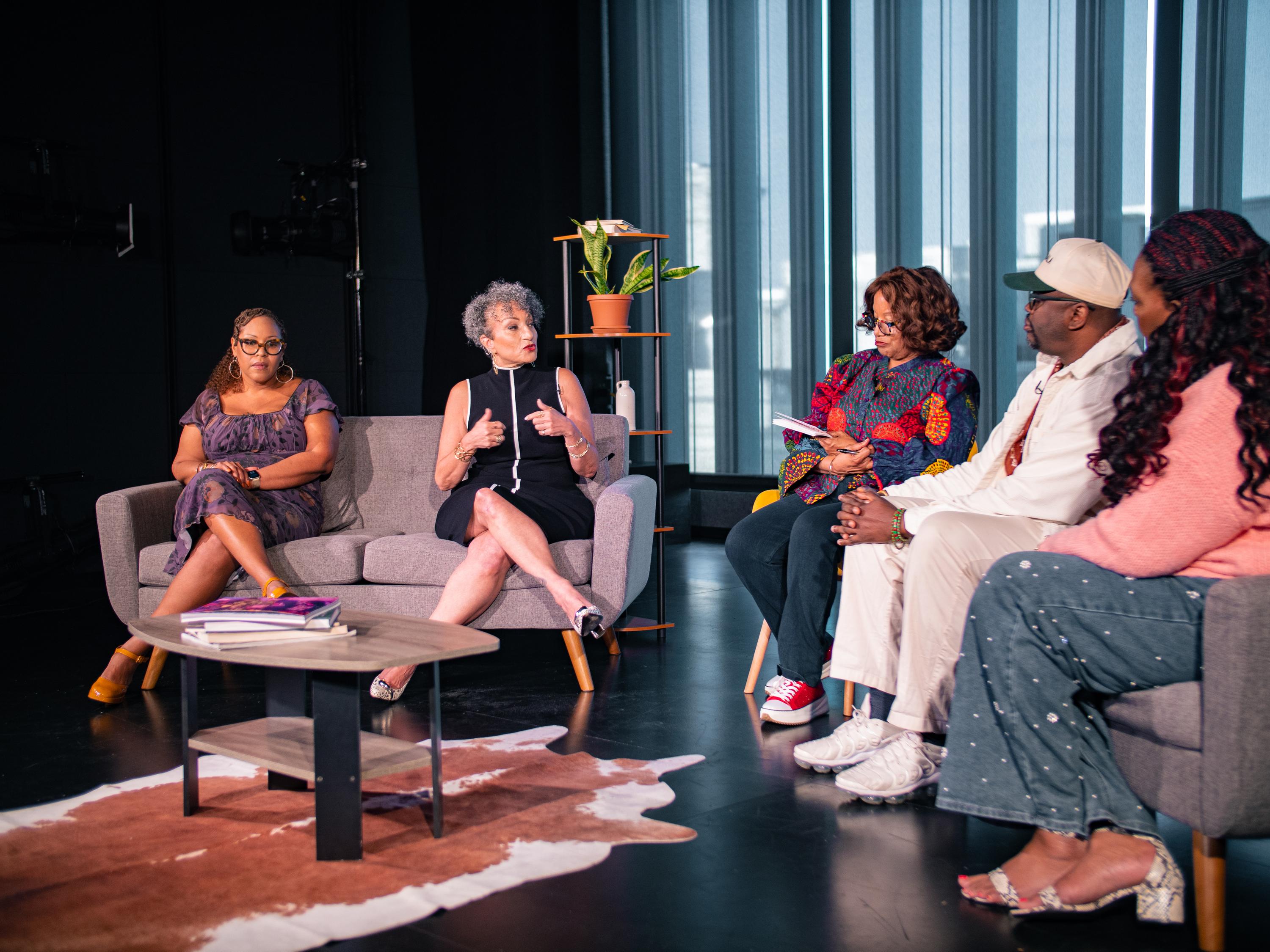
Platforms like Brooklyn Savvy exemplify how media can elevate women’s voices. A talk show dedicated to social justice doesn’t just explore issues; it gives them a platform to reach wider audiences. This kind of programming can challenge stereotypes, break down barriers, and promote understanding. By focusing on real stories and practical solutions, these shows encourage viewers to think critically and act intentionally. The impact can be profound, shifting public perceptions and encouraging positive change.
Case Studies from Brooklyn Savvy
Brooklyn Savvy’s episodes offer practical insights into how media can drive social change. Through candid discussions, the show addresses topics like voting rights, women’s agency, and racial justice. Each episode is a case study in how to blend personal stories with broader social issues. This approach not only informs viewers but also inspires them to take action. By highlighting diverse voices and experiences, Brooklyn Savvy creates a dialogue that resonates with audiences and encourages them to engage with their communities.
Actionable Steps for Civic Engagement
Civic engagement doesn’t have to be overwhelming. By breaking down complex issues into actionable steps, media can guide audiences toward meaningful participation. Shows like Brooklyn Savvy offer practical tips and strategies for getting involved in social justice work. These steps might include attending local meetings, joining advocacy groups, or supporting women’s rights initiatives. By providing clear guidance, media can empower viewers to take action and drive change in their communities.
Frequently Asked Questions
Why is it important for women to lead social justice conversations?
Women bring unique perspectives and insights that can challenge and change existing narratives. Their leadership in these conversations ensures that diverse voices are heard, leading to more inclusive and effective solutions.
How does intersectionality impact social justice dialogue?
Intersectionality broadens the conversation by considering multiple identities, like race and gender, simultaneously. This approach provides a more comprehensive understanding of social issues and encourages more inclusive solutions.
What role does media play in promoting social justice?
Media can elevate diverse voices, challenge stereotypes, and promote understanding. By giving platforms to underrepresented groups, media can influence public perceptions and encourage civic engagement.
How can I get involved in social justice efforts?
Begin by educating yourself on the issues and listening to diverse voices. Then, take actionable steps like attending local meetings, joining advocacy groups, or supporting initiatives that align with your values.
What makes Brooklyn Savvy unique in its approach to social justice?
Brooklyn Savvy focuses on women’s voices and intersectionality, offering candid discussions that blend personal stories with broader social issues. This approach informs and inspires viewers to engage in meaningful dialogue and action.

Leave a Reply