Everyday language bias sneaks into conversations more than you think, shaping how we see each other and ourselves. You’ve probably caught yourself using phrases that carry hidden stereotypes or microaggressions without even realizing it. Let’s break down how common words and expressions keep exclusion alive—and how flipping the script can open doors to true belonging. Stick with me for real talk, practical swaps, and ways to join the Brooklyn Savvy community pushing for change.
Power of Everyday Language
The words we use daily shape our reality and influence perceptions. Whether intentional or not, they carry weight and can perpetuate stereotypes and biases.
Microaggressions in Daily Speech
Microaggressions are subtle, often unintentional, comments or actions that convey prejudice. You might ask a friend where they’re “really from,” thinking it’s harmless. But such questions can imply they don’t belong, even if they grew up nearby. These small comments may not seem significant individually, but they accumulate. Over time, they can create a hostile environment.
Imagine a workplace where employees constantly face these remarks. It can lead to stress, decreased job satisfaction, and even affect performance. Recognizing these phrases and understanding their impact is the first step. By being conscious of our words, we can reduce unintentional harm. This awareness fosters a more inclusive environment where everyone feels valued.
Exclusion in Language: Hidden Bias
Language holds power in shaping societal norms. Words can include or exclude, often without our realization. Consider phrases like “man up” or “you guys.” These terms may seem neutral but reinforce certain gender norms. They can alienate non-binary individuals or women in a conversation. Such language perpetuates a narrow view of gender roles.
By examining our daily speech, we uncover these biases. It’s not about policing language but being intentional. When we adjust our language, we make space for diverse voices. Everyone deserves to feel seen and heard.
Harmful Idioms and Stereotypes
Idioms enrich our language but can also conceal harmful stereotypes. For instance, saying someone “throws like a girl” implies weakness, perpetuating gender bias. These expressions seem harmless but reinforce outdated stereotypes. They subtly influence how we perceive ourselves and others.
Replacing these idioms with neutral language can shift perceptions. It encourages valuing individuals for who they are, not based on stereotypes. This change, though small, contributes to broader societal shifts toward equality.
Flipping the Script

Understanding the impact of language is essential, but taking action is where real change begins. Let’s explore how simple swaps can create a more inclusive environment.
Inclusive Language: Simple Swaps
Inclusive language is about choosing words that respect and acknowledge diversity. It involves small changes that can make a big difference. Instead of “you guys,” try “everyone” or “team.” These swaps ensure everyone feels included.
Consider your workplace or school: using inclusive language sets a tone of respect. When people feel respected, they’re more likely to contribute their best ideas. It creates an environment where diversity is celebrated. By making these swaps, you’re actively promoting a culture of inclusion.
Code-Switching and Belonging
Code-switching involves altering speech based on the audience. It’s a skill many use to fit in, often at the expense of authentic self-expression. This practice highlights the pressure to conform to dominant cultural norms.
For those who code-switch, it can be exhausting. It reinforces the idea that their true selves aren’t acceptable. Encouraging authenticity in language allows for genuine connections. When people bring their whole selves to the table, it fosters creativity and innovation.
Anti-Bias Education Tools
Education plays a crucial role in dismantling bias. Tools and resources are available to help identify and address biased language. These tools offer guidance on creating inclusive environments.
For educators and leaders, implementing these tools can transform spaces. They provide a framework for understanding and addressing bias. As awareness grows, so does the commitment to equity and inclusion. Embracing these resources is a step toward lasting change.
Community and Conversation

Dialogue is a powerful tool for driving change. Engaging communities in conversations around social justice brings awareness and action.
Women’s Perspective on Social Justice
Women’s voices are vital in the social justice movement. They offer unique insights and challenge existing power structures. By centering women’s perspectives, we gain a more comprehensive understanding of societal issues.
Women have always been at the forefront of social change. Their stories and experiences shed light on the challenges marginalized communities face. Celebrating and amplifying these voices fosters a sense of empowerment and belonging.
Brooklyn Savvy’s Role in Dialogue
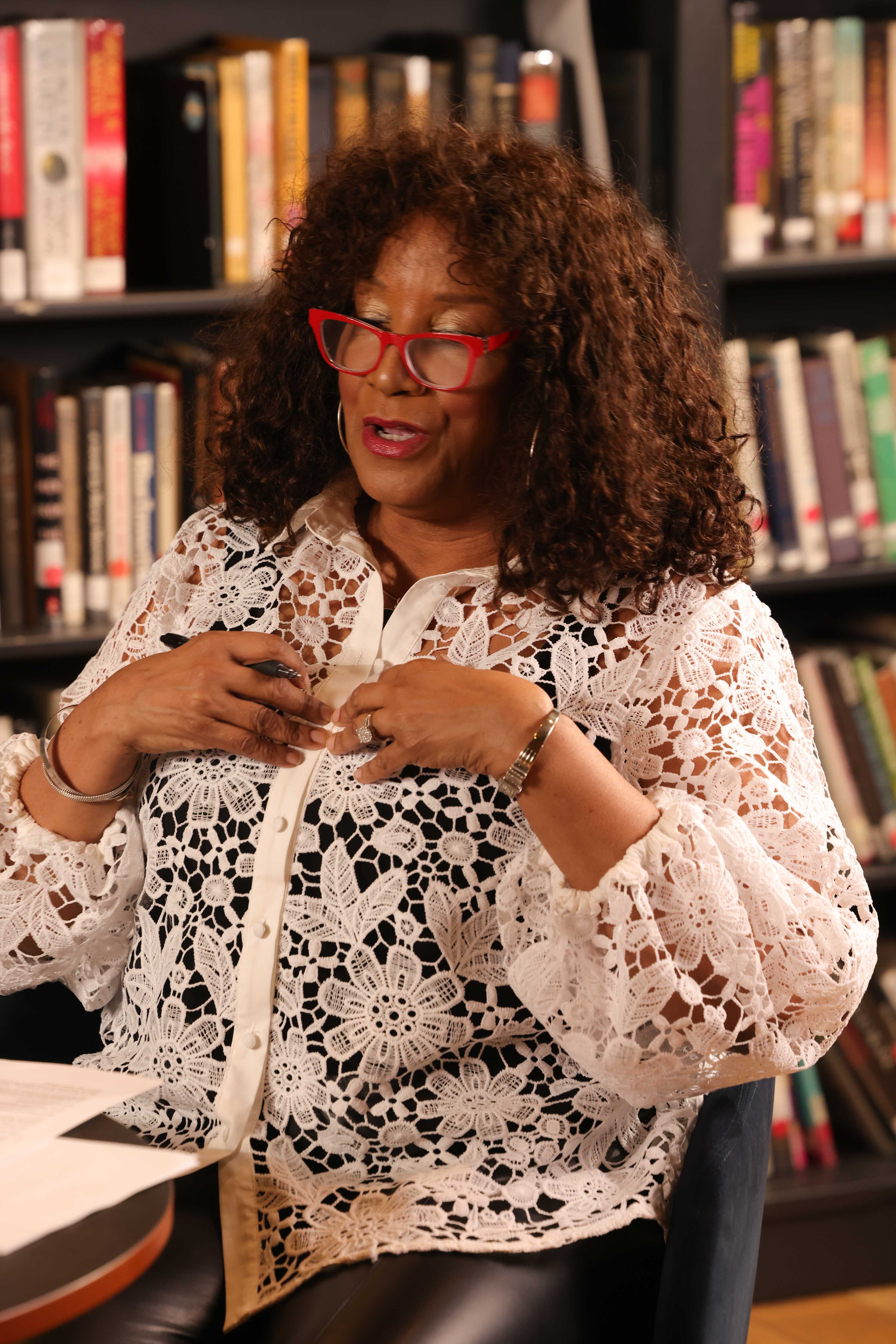
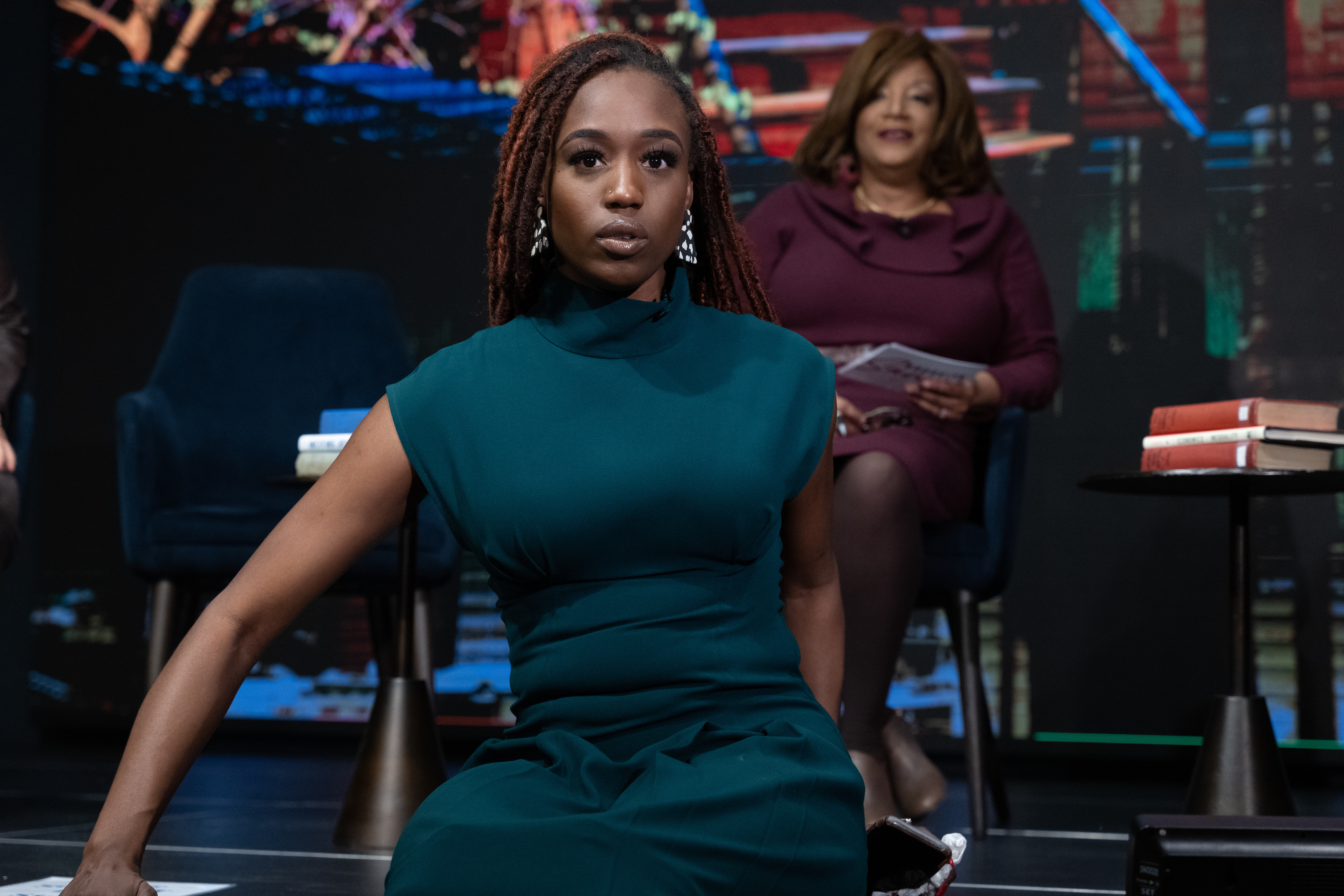
Brooklyn Savvy is a platform that amplifies diverse voices. Through dynamic discussions, it tackles pressing social issues. The show, led by Toni Williams, engages viewers in meaningful conversations.
These discussions promote understanding and empathy. They encourage viewers to reflect on their own biases and take action. By participating in these dialogues, you’re joining a community committed to change.
Allyship Through Media and Merchandise
Media plays a crucial role in shaping perceptions. By producing content that challenges stereotypes, Brooklyn Savvy leads the way. Merchandise also serves as a tool for expressing values. Wearing a statement piece can spark conversations and raise awareness.
Allyship involves actively supporting marginalized communities. Through media and merchandise, you can express solidarity. It’s about standing up and speaking out against injustice. Together, we can create a more equitable society.
Frequently Asked Questions
What are microaggressions?
Microaggressions are subtle comments or actions that convey prejudice. They often go unnoticed but can create a hostile environment over time.
How can I use inclusive language?
Inclusive language involves small changes like saying “everyone” instead of “you guys.” These swaps ensure everyone feels respected and valued.
What is code-switching?
Code-switching is altering speech based on the audience. While a useful skill, it can pressure individuals to conform to dominant cultural norms. Encouraging authenticity allows for genuine connection.
Why is women’s perspective important in social justice?
Women’s perspectives offer unique insights into societal issues. They challenge existing power structures and contribute to a more comprehensive understanding of social justice.
How does Brooklyn Savvy promote social justice?
Brooklyn Savvy engages viewers through dynamic discussions on pressing social issues. It provides a platform for diverse voices and encourages community-driven change.

Leave a Reply