Performative inclusion isn’t just a surface-level problem—it’s a trust breaker in community spaces where real connection should live. When tokenism replaces authentic inclusion, people feel seen but not safe. This post cuts through the noise to show you how performative inclusion fractures community trust and what you can do to demand better. Stick around for clear signals, solutions, and how Brooklyn Savvy is leading the charge with voices like Toni Williams and the Savvy Panelistas.
Naming Performative Inclusion
Performative inclusion may seem harmless at first, but it undermines genuine efforts to foster diversity and belonging. Let’s break down how this practice shows up and why it’s a problem.
Spotting Tokenism in Action
Tokenism can be tricky to identify. It often masquerades as a company or community’s attempt at diversity. But look closer, and you’ll notice superficial representation. Imagine a panel of speakers where only one member represents a marginalized group. This setup might tick a diversity box, but it doesn’t amplify diverse voices.
Performative inclusion often lacks depth. It’s not just about who is present, but whether their perspectives are truly valued. For example, a company might feature diverse faces in their marketing, yet the decision-makers remain homogenous. This sends a message: inclusion is a facade, not a core value.
Understanding Community Trust Issues
When tokenism reigns, community trust erodes. People know when they’re being used as props. This leads to feelings of betrayal and mistrust. Communities thrive on genuine connections, not optics. When trust is broken, engagement decreases. People invest less in spaces that don’t respect their authentic selves.
Erosion of Trust in Spaces

The impact of performative inclusion doesn’t stop with broken trust; it extends into how safe individuals feel in these spaces. Let’s delve deeper into these effects.
Psychological Safety Breakdowns
Psychological safety is crucial for any community. When trust is compromised, so is safety. Members might hesitate to share ideas or concerns, fearing tokenism will paint them as mere symbols. When you can’t be yourself, anxiety and stress increase.
This lack of safety stifles growth. If voices are silenced or ignored, innovation stalls. Communities miss out on fresh perspectives and ideas. Without trust, even well-intentioned initiatives can fall flat.
Impact of DEI Backlash on Inclusion
There’s a growing backlash against superficial DEI (Diversity, Equity, and Inclusion) efforts. People are tired of empty promises. They want real change, not performative gestures. Allyship accountability becomes crucial in these scenarios.
When DEI initiatives lack authenticity, they fuel skepticism. It’s not enough to say you support inclusion; actions must match words. Otherwise, communities feel exploited rather than uplifted.
Solutions for Authentic Inclusion
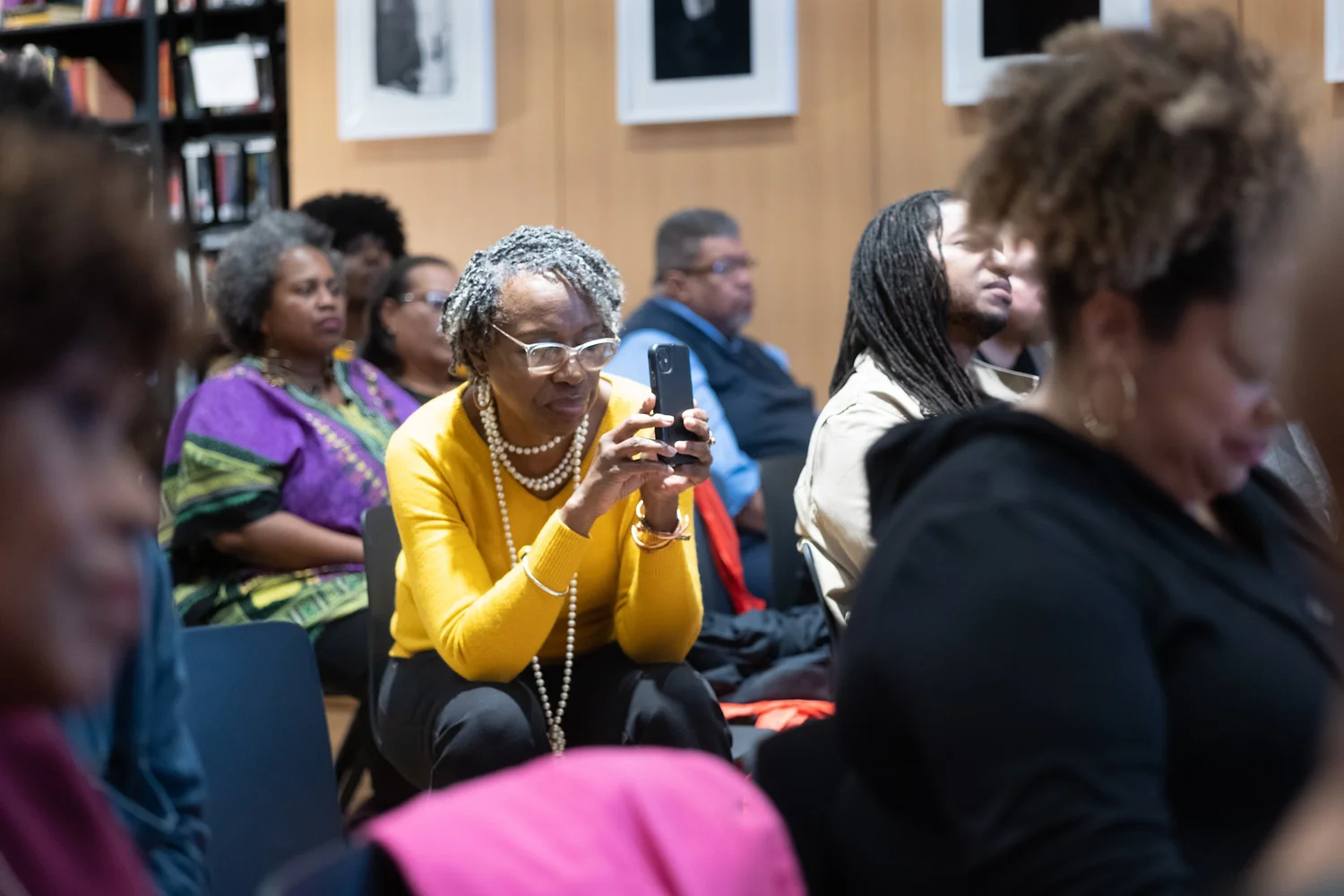
Breaking the cycle of performative inclusion demands action. Let’s explore how you can foster genuine inclusion with insights from Toni Williams.
Toni’s Personal Insights and Tips
Toni Williams, a leader in community engagement, shares her insights on creating spaces where everyone feels valued. First, listen actively. Real inclusion starts with understanding diverse perspectives.
Consider holding regular feedback sessions. Encourage open dialogue without fear of retribution. Toni also suggests being transparent about goals. When people know the purpose behind efforts, they’re more likely to engage.
Building Trust with a Proven Playbook 🌟
Trust takes time to build but can be shattered quickly. Here’s a playbook to avoid that:
-
Inclusive Leadership: Ensure diversity in decision-making roles. Representation should reflect in leadership, not just in appearance.
-
Equity vs Equality: Focus on equity. Offer resources and support tailored to individual needs.
-
Continuous Learning: Engage in cultural competency training. Understanding different cultures helps foster respect and trust.
-
Accountability: Hold leaders accountable for fostering an inclusive environment. Regularly review and update policies to reflect true inclusion.
By focusing on these strategies, you can transform your community into a place of genuine inclusion and trust. Embrace these changes, and you’ll see a vibrant, engaged community where everyone feels valued.


Leave a Reply