Words shape more than stories—they shape realities. When your everyday language slips into old patterns, it can deepen stigma without you even noticing. But shifting just a few words opens space for respect-centered communication that uplifts urban communities and reduces stigma. Here, you’ll find smart swaps, real talk from Toni Williams, and tools from Brooklyn Savvy to fuel conscious communication and community dialogue. Stick around—your words hold power, and this fight against stigma starts with how we speak.
Everyday Words, Big Impact
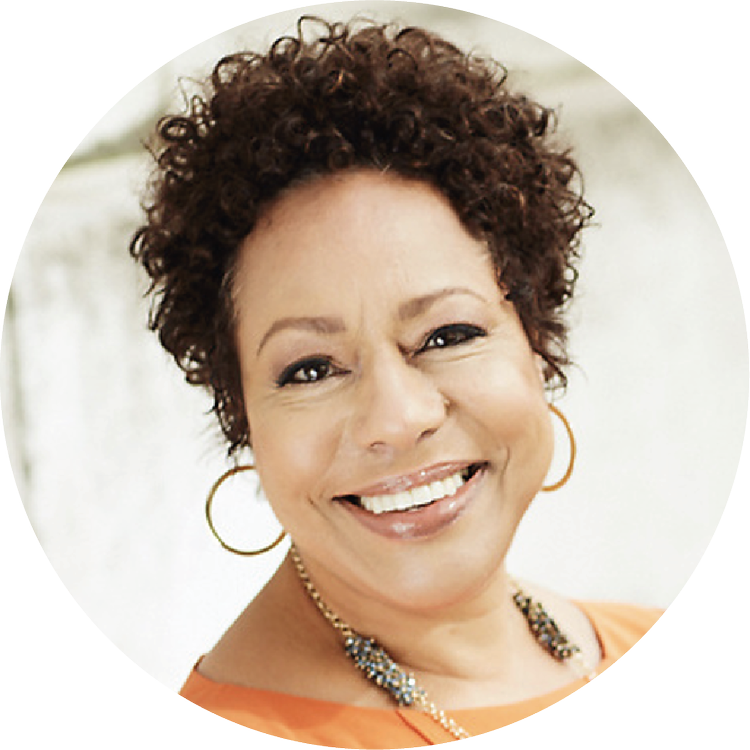
Let’s dive into the power of words. Your daily language choices have the potential to build or break down barriers. By choosing words with care, you can help others feel seen, heard, and respected in their communities.
Power of Inclusive Language
When you use language that welcomes everyone, you create spaces where all voices can be heard. This type of communication is not just about avoiding certain words; it’s about actively choosing words that promote understanding and respect. Imagine the impact if everyone felt included in conversations. You’d be part of a world where people feel valued, simply by the way you talk. It all starts with understanding the importance of inclusive language.
Avoiding Microaggressions
Microaggressions are those tiny, often unintentional, slights that creep into everyday conversations. They might seem harmless, but they can add up, making people feel unwelcome. Think about comments like, “You speak English so well,” to someone born in an English-speaking country. These are the subtle jabs that can sting. By recognizing and avoiding such words, you reduce unintentional harm and foster a more welcoming atmosphere. Most people don’t realize how small comments can affect others, but you can change that.
Simple Swaps for Change
Switching a few words can make a big difference. Instead of saying “crazy,” try “wild” when describing a hectic day. These small changes show that you’re aware of the language’s power. By making these shifts, you’re contributing to a kinder dialogue that doesn’t belittle or stigmatize. Practicing these swaps daily can turn into a habit, and you’ll see how your conversations change for the better.
Common Language Pitfalls

Even with the best intentions, language pitfalls are everywhere. Recognizing them is key to elevating your communication. Let’s explore some common traps and how to navigate them effectively.
Identifying Harmful Phrases
Certain phrases carry hidden baggage. Words like “man up” imply that showing emotion is weak, which is far from true. Such phrases reinforce outdated stereotypes. By identifying these terms, you can begin to eliminate them from your vocabulary. It’s about replacing them with language that reflects equality and respect. You’ll find that conversations become more genuine and inclusive when you drop these phrases.
Language and Power Dynamics
Words can convey power dynamics without you even realizing it. Phrases like “you people” create an ‘us versus them’ mentality. They subtly underscore division and hierarchy. By being mindful of these dynamics, you can ensure your language reflects equality. When you speak to others as equals, it fosters mutual respect and understanding. This awareness brings us closer to a society where everyone feels valued.
Respect-Centered Communication
Respect-centered communication means choosing words that honor others’ dignity. It’s about listening actively and responding thoughtfully. When you approach conversations with this mindset, you lead by example. Your commitment to respectful dialogue encourages others to follow suit. This approach not only uplifts others but also enriches your interactions. It builds bridges where there were once divides, creating stronger community ties.
Sparking Community Dialogue
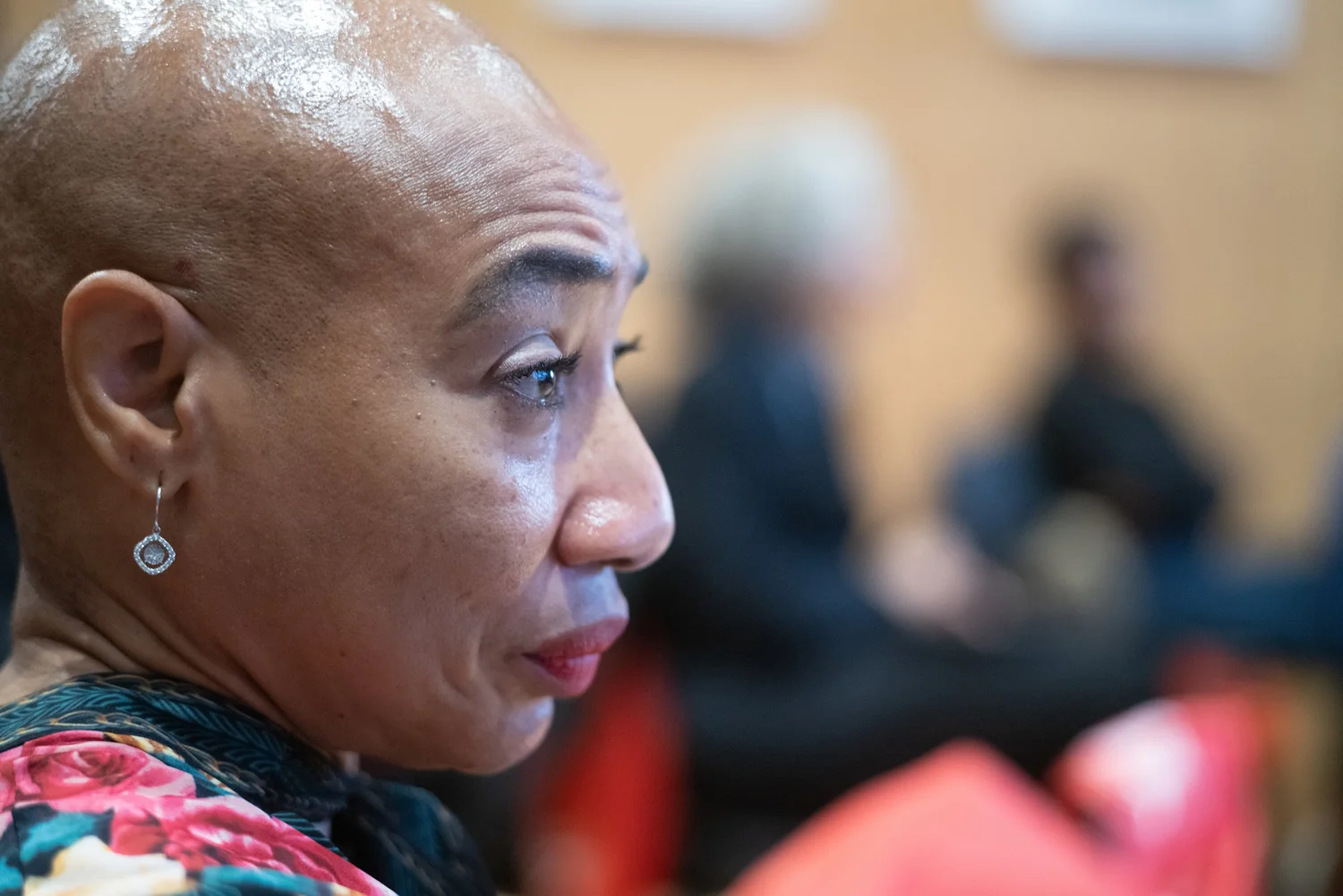
Creating spaces for open conversations is crucial for change. Encouraging dialogue within your community can lead to collective growth and understanding.
Engaging in Conscious Communication
Conscious communication involves being aware of the impact your words have on others. It requires you to listen actively and speak with intention. Conversations become more meaningful when you’re present and engaged. By practicing this, you invite others to share their perspectives openly. It’s a simple yet powerful way to foster deeper connections and understanding within your community.
Embracing De-stigmatizing Language
Language can either reinforce or reduce stigma. Embracing words that de-stigmatize involves using terms that celebrate individuality rather than categorize. When you choose words that affirm rather than judge, you contribute to a culture of acceptance. This shift not only benefits those around you but also enriches your own perspective. You’ll find that embracing this language fosters an environment of inclusivity and support.
Brooklyn Savvy’s Words Matter Merch Drop 🚀
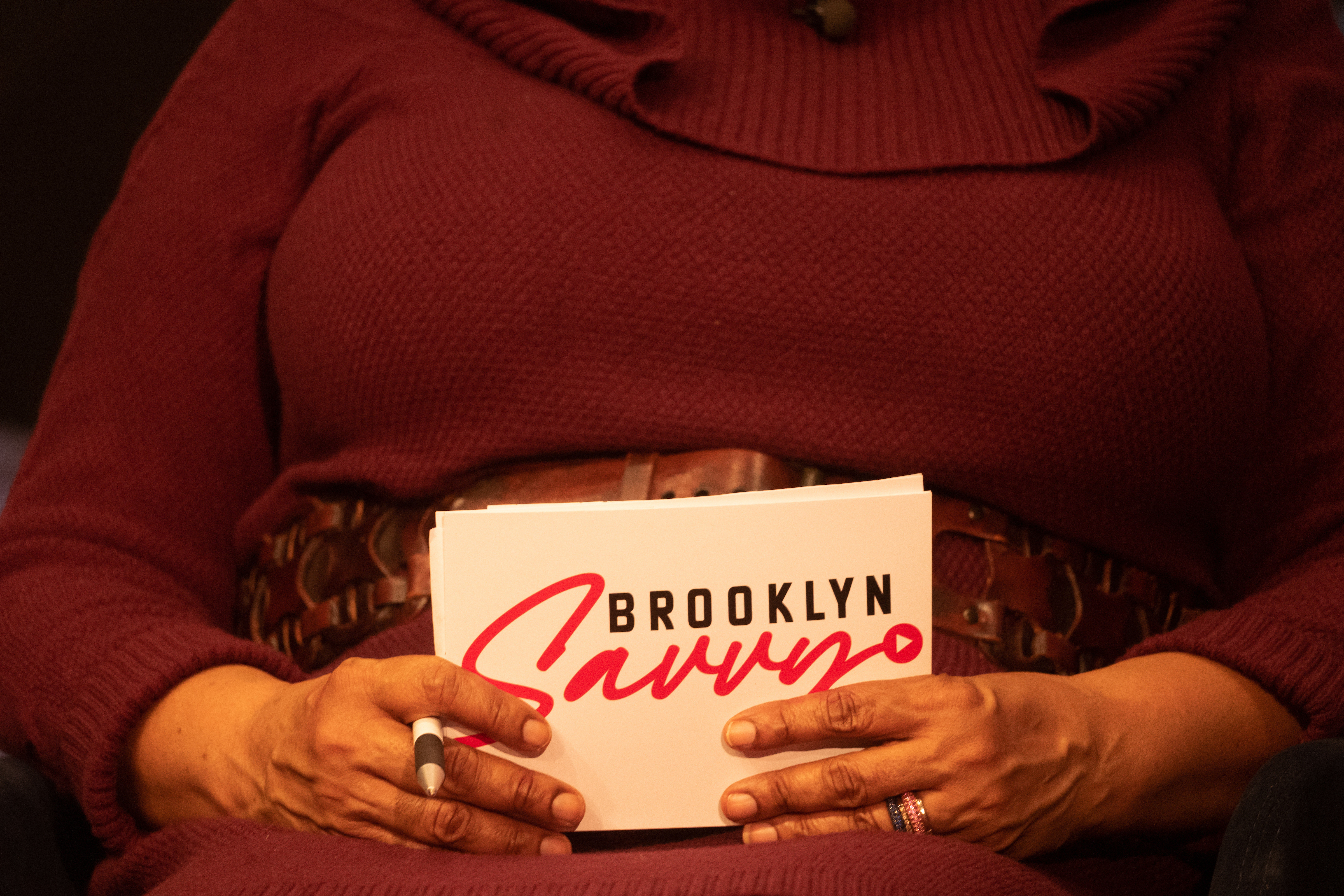
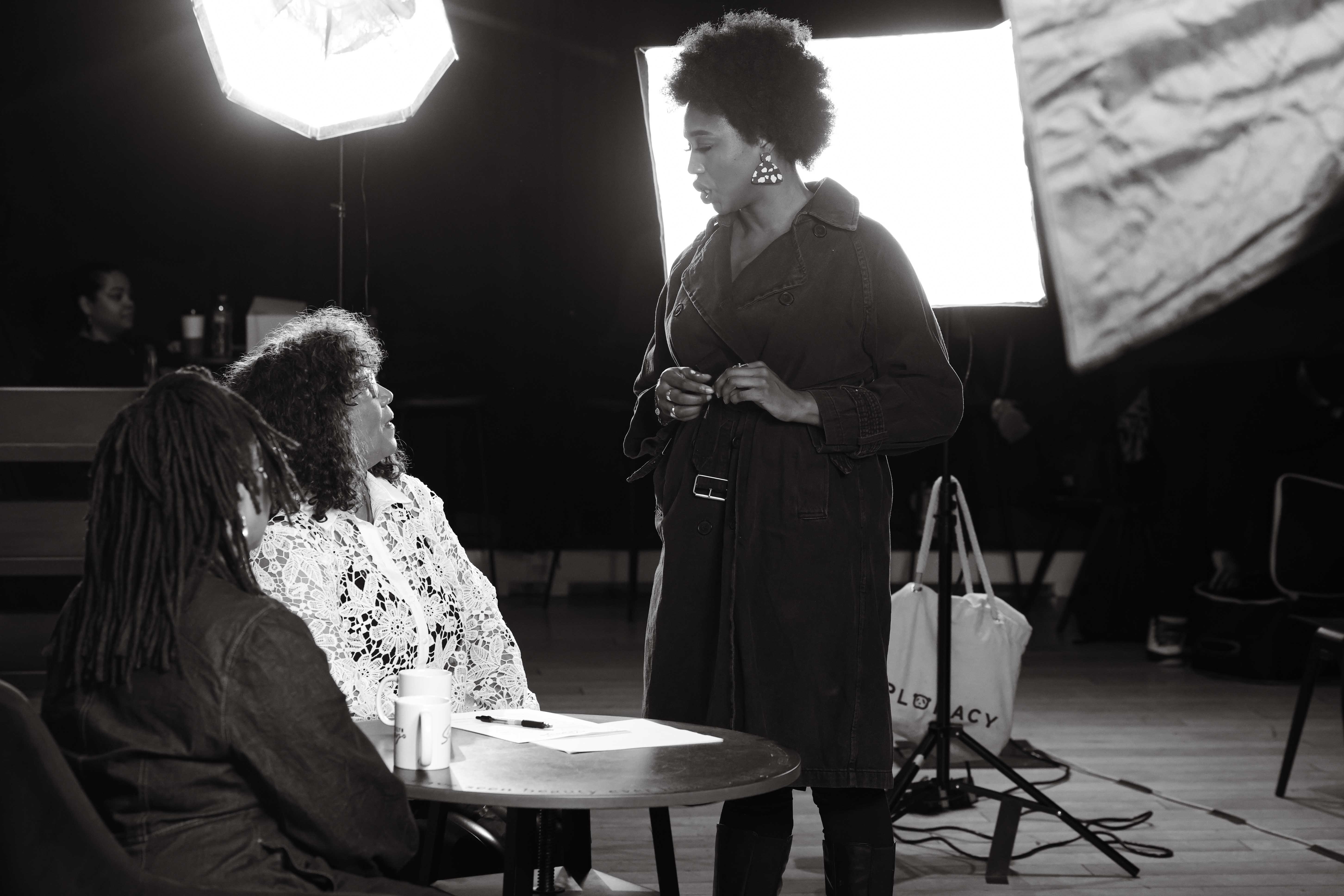
Brooklyn Savvy is more than just a talk show. It’s a movement towards inclusive dialogue. With the new Words Matter merch, you can express your commitment to respectful communication. Each item is a conversation starter, sparking dialogue wherever you go. By wearing these pieces, you align yourself with a community dedicated to change. The longer you wait to join, the more you miss out on being part of this impactful journey.

Leave a Reply