Why Representation Matters: Women’s Voices Are Rewriting America’s Narrative
Representation in media isn’t just about numbers—it shapes how you see the world and your place in it. Women’s voices, especially from communities too often sidelined, are changing America’s narrative one story at a time. Brooklyn Savvy brings these bold conversations front and center, showing why representation matters and how it sparks real cultural change. Learn more here.
Women’s Voices in Media

Representation shapes our view of the world. When women, particularly those from underrepresented communities, share their stories, the narrative changes. This shift in storytelling is vital, making us rethink what’s possible and who gets to lead the conversation.
Changing the Narrative
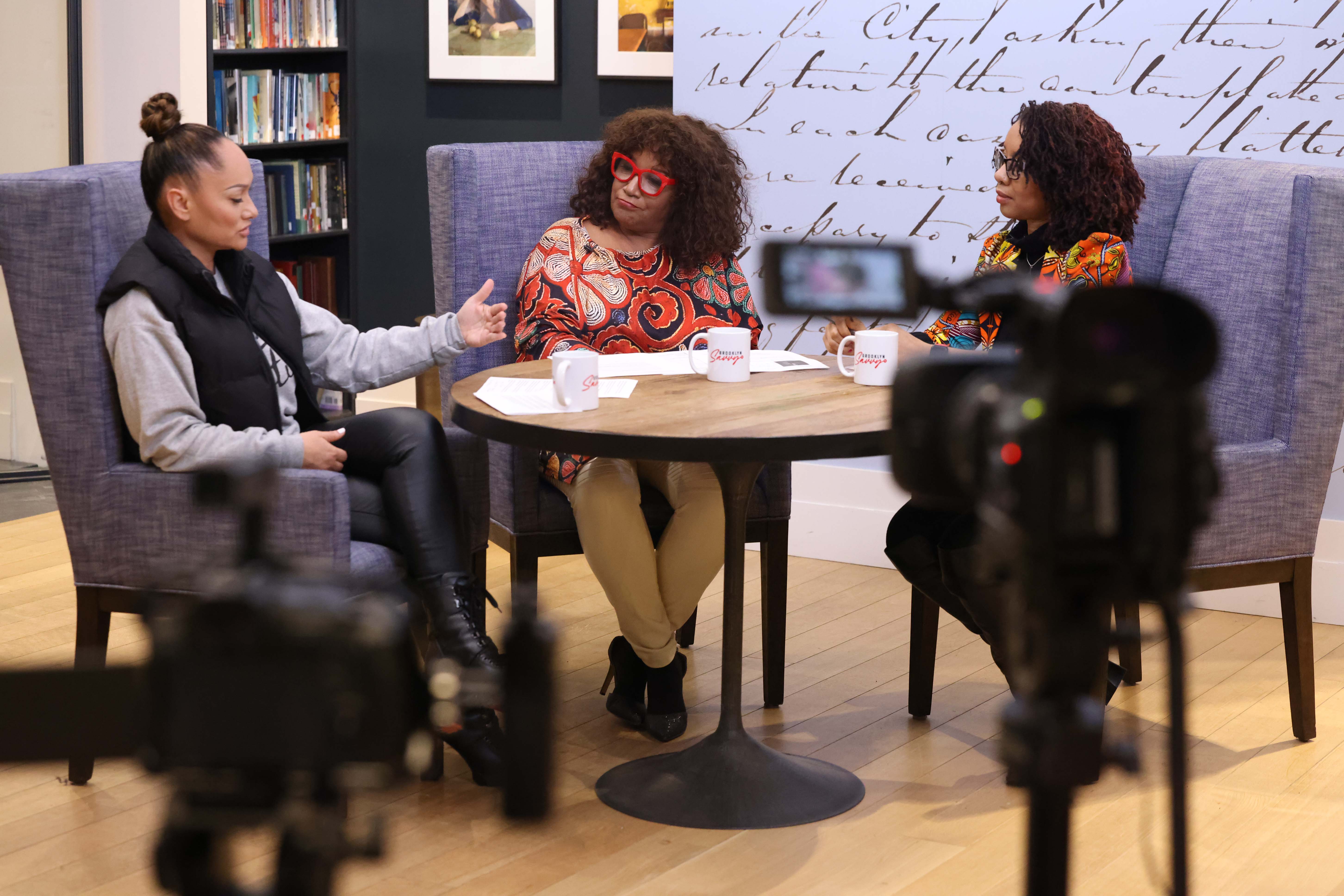
Here’s the key insight: diverse voices in media challenge the status quo. When women share their stories, they bring fresh perspectives that were often missing before. For instance, Toni Williams and her panel on Brooklyn Savvy provide insights that make you question what you thought you knew. Most people think media has always been open to different views, but that’s not the case. It’s only through persistent effort that these voices have gained ground.
Brooklyn Savvy’s approach is changing the media landscape. The show’s candid discussions highlight issues that affect women directly, ensuring they are heard. By focusing on social justice from a woman’s perspective, they bring urgency to the need for gender equity and diverse storytelling. The longer we wait to include these voices, the more we miss out on innovative ideas and solutions.
Impact of Diverse Storytelling
Diverse storytelling does more than entertain; it educates and empowers. Studies show that when media includes varied perspectives, audiences gain a deeper understanding of societal issues. This is where Brooklyn Savvy excels: they don’t just tell stories, they start conversations that matter. Check out this piece on why women’s voices matter.
Consider a story shared by a woman of color highlighting her experience in urban education. Her narrative not only informs but inspires action. Insights from such stories can lead to real change, like community programs that address the specific needs of urban areas.
Women of Color Leadership

When women of color lead, they bring intersectionality in action. They understand the layers of identity and use this knowledge to drive change. Let’s explore how their leadership transforms communities.
Intersectionality in Action
Intersectionality is more than a concept; it’s a powerful tool for change. Women of color often face multiple barriers, yet they lead with resilience and insight. On Brooklyn Savvy, you’ll hear how these leaders navigate and dismantle these barriers, sharing strategies that work. Most assume leadership is about fitting into existing molds, but these women show it’s about breaking them.
Leaders like Toni Williams create platforms that amplify these voices. They highlight the layered experiences of women who navigate race, gender, and class. Intersectionality in action means addressing these layers to push for broader social justice. Dive into more stories here.
Empowerment in Urban Communities
Empowering urban communities starts with recognizing the unique challenges they face. Women of color are often at the forefront of this empowerment, using their lived experiences to advocate for change. Programs that focus on urban education, health, and economic opportunities are essential.
Consider initiatives led by women in Brooklyn that tackle housing issues or support small businesses. These actions create ripples of change, inspiring others to get involved and take ownership of their neighborhoods. When women lead these efforts, they not only uplift their communities but also pave the way for future generations.
Representation in Politics and Education

Representation in politics and education isn’t just beneficial; it’s essential for equity. When women take roles in these fields, they bring new ideas and policies that address long-standing disparities.
Civic Engagement and Gender Equity
Civic engagement is the backbone of gender equity. Women who engage in politics and civic activities bring attention to issues like equal pay, maternity leave, and educational access. On Brooklyn Savvy, discussions often revolve around how increased representation in these areas can lead to systemic change. It’s a common belief that politics is slow to change, but women’s participation is accelerating progress.
Take, for example, women who run for local office. They bring issues that affect daily lives to the forefront, challenging outdated policies and advocating for more inclusive communities. Explore more about representation and civic engagement.
Educator Resources for Social Justice🎙️
Educators play a crucial role in fostering social justice. By incorporating diverse materials and perspectives into the curriculum, they ensure students understand the world’s complexity. Brooklyn Savvy provides resources that educators can use to spark meaningful classroom discussions.
Consider using personal stories from the show to illustrate social justice topics. These stories can serve as powerful teaching tools, prompting students to think critically about equity and representation. Equip your classroom with insights that encourage action and awareness.
In summary, representation in media, leadership, politics, and education is not just beneficial—it’s transformative. As more women share their voices, they reshape narratives and drive cultural change. Let’s continue to support platforms like Brooklyn Savvy, where these vital conversations happen.
Leave a Reply